

Acton Town station removals access tips for smooth moves
Posted on 26/07/2026
Moving near a busy Tube station can feel simple on paper and slightly chaotic in real life. Acton Town is exactly that kind of place: well connected, useful for commuters, but not always forgiving when a van needs to pause, unload, and get out again without causing a fuss. If you are planning a move close to the station, the right Acton Town station removals access tips for smooth moves can save time, reduce stress, and stop those little problems that turn into big ones at 8:30 on a weekday morning.
In this guide, you will find a practical, local-first approach to access planning, parking, timing, packing, and building entry. It is written for anyone moving a flat, a house, or even a small office around the station area. You will also find sensible links to helpful pages such as removal services in Acton, house removals support, and packing and boxes guidance where it makes sense.
Let's keep it practical. What really matters is not just getting your things from A to B, but getting them out of a vehicle, through a narrow entrance, and into the right room without delays, complaints, or damage. That is the game.
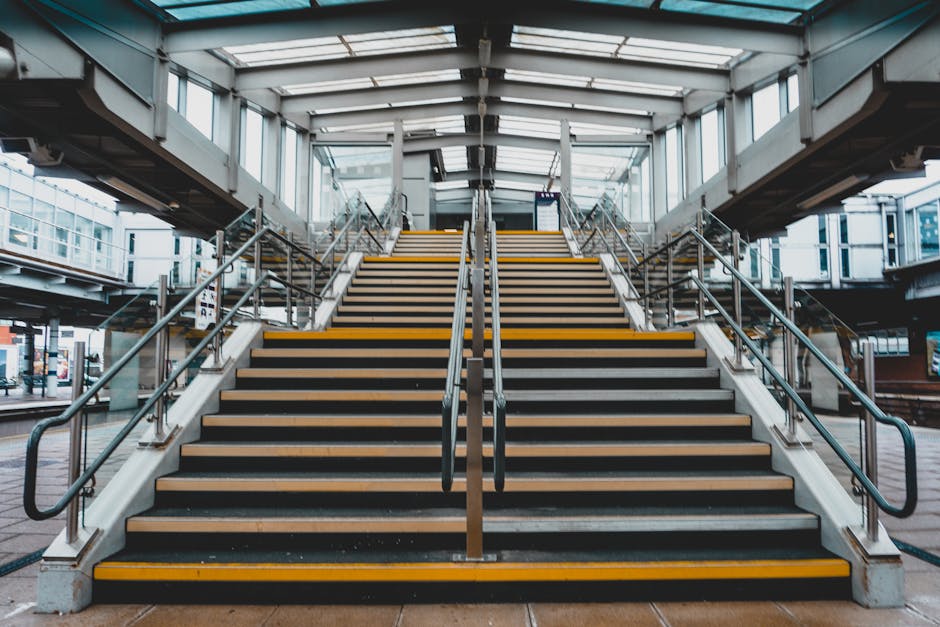
Why Acton Town station removals access tips for smooth moves Matters
Access is the part of moving that people underestimate until the van arrives. Around a station like Acton Town, there are a few moving parts: commuter traffic, limited stopping space, pedestrian flow, busier kerbside conditions, and the usual London problem of a route that looks easy on a map but feels very different when a van is involved.
For removals, access is not just about whether a vehicle can reach the property. It also includes where it can stop, how far crew members must carry items, whether the building has stairs or a lift, and how much time is available for loading. A move that is perfectly organised inside the property can still go wrong if the vehicle is forced to park half a street away. Then suddenly a simple job becomes slower, more expensive, and more tiring than it needed to be.
If you live in a flat or a terraced property near the station, the margin for error can be small. In our experience, the biggest wins come from basic, unglamorous prep: measuring entrances, checking parking restrictions, and speaking to the building manager before move day. A little effort upfront saves a lot of swearing later. Truth be told, that's usually the difference between a calm move and a messy one.
This matters even more if you are moving bulky items, including wardrobes, sofas, appliances, or instruments. If that sounds familiar, it may also be worth reading about furniture removals in Acton or piano moving support before you finalise plans.
How Acton Town station removals access tips for smooth moves Works
The basic idea is straightforward: you match the property's access conditions to the vehicle and crew plan before moving day. That sounds obvious, but people often skip one of the steps and hope it will work itself out. It rarely does.
Good access planning usually starts with five questions:
- Where can the van legally stop?
- How close can it get to the front door or loading point?
- Are there stairs, tight hallways, lifts, or door widths to consider?
- Will the move take place during busy commuter hours?
- Do you need permits, building permission, or extra labour?
Once those are clear, you can choose the right type of vehicle and crew. For example, a smaller vehicle may be better if the street is tight or stopping space is limited, while a larger team may be worth it if the property is upstairs and furniture is heavy. If the move is urgent, options like same-day removals can be helpful, but only when access has been thought through first.
There is also a difference between a move that is technically possible and one that is genuinely efficient. A van might reach the building, yes, but if the lift is out of service, the loading bay is blocked, or boxes are poorly labelled, the whole job slows down. Access planning connects all those little details into one workable plan.
A nearby flat move, a small family house, and an office relocation all need different handling. That is why a service like man with a van in Acton or a more structured removal service may suit different situations. The right choice depends less on the label and more on the access conditions.
Key Benefits and Practical Advantages
When access is sorted properly, the move feels very different. Not glamorous, obviously. But better.
- Less delay: the van can load and unload without unnecessary waiting.
- Lower physical strain: fewer metres to carry means less fatigue and less risk of dropped items.
- Reduced damage risk: shorter carry routes usually mean fewer knocks, scrapes, and awkward turns.
- Better cost control: time is money in removals, and access issues are one of the easiest ways for a move to overrun.
- Less stress for neighbours and building staff: nobody enjoys a blocked entrance or a noisy, rushed move.
- Smoother team coordination: if everyone knows the access plan, the move flows more naturally.
There is also a quieter benefit that people forget: confidence. When you know the vehicle can park where it should, the keys are ready, the lift has been checked, and the route into the building is clear, the move stops feeling like a gamble. You can breathe a bit easier. That matters on moving day.
For customers comparing support options, it can help to review removals in Acton alongside man and van services so the service level matches the access challenge rather than just the size of the property.
Who This Is For and When It Makes Sense
This guide is useful for anyone moving near Acton Town station, but it especially helps in a few common situations.
- Flat movers: if you live in a block with shared entrances, lifts, or limited parking.
- Families moving house: where more boxes, more furniture, and more time pressure can make access issues worse.
- Students: if you are moving in or out of compact accommodation and need a fast, tidy plan.
- Small businesses: for offices or studios that need careful loading times and minimal disruption.
- Last-minute movers: if arrangements came together quickly and the access details still need sorting.
It also makes sense if you are moving large or awkward items. A few examples: a sofa that will not turn the corner, a chest of drawers that barely fits through the stairwell, or a washing machine that needs two people and a clear route. If that rings a bell, then flat removals support or office removals planning may be more suitable than a generic approach.
And yes, the advice still helps even if the property is only a short walk from the station. "Short distance" does not always mean "easy access." London has a funny way of proving that.
Step-by-Step Guidance
1. Survey the route before moving day
Walk the path from the property to the nearest practical stopping point. Look for tight corners, steps, dropped kerbs, gated entrances, and anything that might slow a carrying team down. If you can, do the walk with the person coordinating the move. Two sets of eyes are better than one.
2. Measure the awkward bits
Check the height and width of doors, hallways, stair turns, and lift dimensions. A tape measure is a small thing, but it can save you from a very awkward moment when a sofa gets stuck halfway through a doorway. Been there, seen that, never fun.
3. Confirm parking and stopping arrangements
Find out where the vehicle can legally stop for loading. Around station areas, this is often the most important question. If you are unsure, speak to the building manager or landlord, and make a note of any restrictions on time, bay use, or access codes. If your move is likely to need a shorter parking window, a smaller vehicle might be more practical.
4. Tell the removals team what access is really like
Do not smooth the details over. If there are three flights of stairs, say so. If the lift is tiny, say so. If the loading point is around the back of the building, say so. Good movers can plan around problems, but only if they know the truth before they arrive.
5. Pack with the route in mind
Heavy items should be packed in smaller, manageable boxes. Label fragile items clearly, and keep essentials apart from the main load. If you want a better packing system, package and boxes guidance and packing support can make the whole process a bit tidier.
6. Build in a small time buffer
One of the best access tips is not really about access at all. It is about timing. Leave a buffer for delays, whether that is traffic, lift access, or a neighbour who decides to reverse out at the worst possible moment. A 15-minute cushion can feel tiny, but it often saves the day.
7. Keep the ground floor clear
Inside the property, make the first few metres as open as possible. Shoes, recycling bins, coat stands, and loose clutter all slow things down. A clean route means the team can move safely and quickly, with fewer stops and fewer chances to bump something delicate.
Expert Tips for Better Results
Here is the bit that usually separates a decent move from a genuinely smooth one: detail. Small detail. Slightly boring detail, even. But it works.
Tip 1: Use colour-coded labels for rooms. It sounds basic, but it speeds up unloading. Red for kitchen, blue for bedroom, green for living room. You do not need a perfect system; you need a system people can understand at a glance.
Tip 2: Keep one "access box" ready. Put keys, building fobs, parking notes, lift instructions, and contact numbers in one box or folder. When the crew arrives and everyone is already slightly rushed, this is gold.
Tip 3: Move the heaviest items first only if the route is clear. It can be smart to load big furniture early, but not if the route involves tight stairs or a long carry. Sometimes a few lighter boxes first are actually quicker because they clear space for the bulky stuff.
Tip 4: Don't rely on memory. You might remember that the loading gate is "somewhere round the side," but on moving day memory gets fuzzy. Write it down. Better yet, sketch it.
Tip 5: Ask the building team one very specific question. Not "Is access okay?" but "Where exactly should the van stop, and is there a time limit?" Specific questions get specific answers.
Tip 6: If you are moving in winter, plan for low light and wet ground. A wet pavement near the station at 7 a.m. is not ideal. It is just one of those London moments. Good footwear and clear lighting make a bigger difference than people expect.
If you are comparing ways to move, a broader services overview can help you match access needs to the right type of support without overpaying for features you do not need.

Common Mistakes to Avoid
Most access problems are preventable. That is the annoying part. They are often simple mistakes that only look minor until they cost you time.
- Assuming the van can park outside the door. That is not always true near station roads.
- Ignoring lift size. Some items will fit on paper and fail in practice.
- Not telling the crew about stairs. It changes the labour and the time needed.
- Packing heavy boxes too full. These are slower to carry and more likely to split.
- Leaving loose items in hallways. That creates trip hazards.
- Forgetting building instructions or fobs. A five-minute delay can quickly become twenty.
- Booking too tight a time window. If access is complicated, squeezing the move into a tiny slot is asking for trouble.
One more thing: do not hide access limitations because you are worried the move will sound "too complicated." Good removal planning is built on reality, not optimism. Honesty now saves awkwardness later. And yes, the crew would rather know in advance that the stairs are a pain.
Tools, Resources and Recommendations
You do not need fancy equipment to get access right, but a few simple tools make life much easier.
- Tape measure: for doors, furniture, lift space, and stair turns.
- Notebook or phone notes: for access instructions, contact names, and timing details.
- Labels and markers: to identify rooms and fragile items quickly.
- Floor plan or rough sketch: especially useful for larger flats or offices.
- Boxes of consistent size: easier to stack, lift, and load.
- Protective wraps and covers: useful for furniture that might rub against narrow walls.
For more practical support, readers often find it helpful to look at storage options in Acton if move-out and move-in dates do not line up neatly. That can be a real pressure release valve when the property chain is messy or keys are delayed.
It is also worth checking the service details for man with van support and removal van options if you are trying to decide whether a smaller or larger vehicle is more suitable for the access conditions.
Law, Compliance, Standards and Best Practice
For moves around Acton Town station, the main compliance issues are usually practical rather than dramatic, but they still matter. Parking rules, building access rules, safety procedures, and safe lifting practices all come into play.
In London, loading near stations often means paying attention to local parking restrictions, permit conditions, and any time-limited stopping rules. If a property manager or building concierge has access instructions, follow them. That is not just courtesy; it keeps the move moving and reduces the risk of complaints.
Best practice also means using sensible manual handling methods. Heavy items should be lifted with care, carried by the right number of people, and protected where needed. A moving team should be able to explain how they reduce damage risk and keep people safe. If you want reassurance on that side, health and safety commitments and insurance and safety information are worth reviewing before you book.
There is also a basic trust point here. Clear pricing, clear access details, and clear terms are part of a decent service, not an optional extra. For that reason, pricing and quotes and terms and conditions can help you understand what is included and what might cost more if access is unusually difficult.
If you have sustainability concerns, especially when decluttering before or after a move, recycling and sustainability guidance is a sensible read. Not everything needs to go in a van and straight into a new home. Sometimes the smartest move is to move less.
Options, Methods and Comparison Table
Different moves near Acton Town call for different approaches. The table below gives a simple comparison to help you think it through.
| Method | Best for | Pros | Watch-outs |
|---|---|---|---|
| Small man and van | Studios, small flats, light loads | Flexible, often easier near tight access points | May need more trips for larger items |
| Standard removals team | Family homes, heavier furniture, mixed loads | More manpower, better for stairs and awkward items | May need clearer parking and more setup time |
| Same-day move support | Urgent or delayed arrangements | Fast response, practical for short-notice changes | Less room for complicated access if unplanned |
| Storage-first move | Chain delays, gap between tenancies, phased moves | Reduces pressure when dates do not line up | Extra handling step, so organisation matters |
To be fair, there is no universal "best" option. A small flat on a narrow road might suit a compact vehicle and two careful movers. A three-bedroom family move with a lot of furniture may need a fuller team and more structured planning. The access conditions usually decide. Not the marketing.
Case Study or Real-World Example
Here is a realistic example from a typical station-area move. A renter in a second-floor flat near Acton Town needed to move out on a Friday morning before work traffic built up. The flat itself was tidy and well packed, but the first plan was shaky: no confirmed stopping point, no lift measurements, and a few boxes packed far too heavily.
Once the access details were checked, the move changed shape. The team agreed on an earlier arrival time, the tenant pre-cleared the hallway, and the heaviest items were broken down before loading. A small lift meant the larger wardrobe had to be dismantled, which was annoying at the time, but it saved far more time than it cost. The result was steady rather than frantic. A bit boring, honestly. But boring can be brilliant on moving day.
The useful lesson was simple: access planning turned a risky move into a manageable one. No drama, no panic, no last-minute improvisation with a box of cables and a fussy front door.
If the same move had involved a short gap between leaving one property and entering another, the tenant could have used storage in Acton to keep the process calmer. That kind of fallback often makes the difference between a rushed chain and a sensible phased move.
Practical Checklist
Use this checklist a day or two before the move, and again on the morning itself if needed.
- Confirm the move time and arrival window.
- Check where the van can legally stop.
- Measure doorways, stairs, hallways, and lifts.
- Tell the team about any access codes, keys, or fobs.
- Clear the route inside the property.
- Label boxes by room and fragility.
- Separate essentials, valuables, and documents.
- Protect floors and walls where needed.
- Keep parking instructions easy to reach.
- Have a backup plan if the loading point is blocked.
Practical summary: if you only remember three things, make them parking, measurements, and communication. Those three solve most access headaches before they start.
Conclusion
Moving near Acton Town station is very manageable when access is planned properly. The station area brings the usual London challenges: traffic, stopping limits, shared entrances, and the occasional "where on earth can the van go?" moment. But none of that has to derail your move. With the right measurements, clear instructions, sensible packing, and a realistic schedule, you can keep the whole day calm and controlled.
The best Acton Town station removals access tips for smooth moves are not flashy. They are the quiet ones: check the route, tell the truth about the property, choose the right vehicle, and leave yourself enough breathing room. That is what smooth looks like in real life.
If you are weighing up the next step, it may help to explore removal companies in Acton or learn more about the team behind the service before you decide. If you have questions about your own move, get in touch here and ask for advice that fits your property rather than a generic script.
Get a free quote today and see how much you can save.